Jeju Nature and Outdoor Adventure
Explore Jeju Island’s Stunning Landscapes
Jeju Island is a paradise for nature lovers!
From volcanic peaks and lava tubes to cascading waterfalls and white sand beaches, the island offers endless opportunities to connect with its natural beauty.
Let’s take a look at some of the best outdoor spots, practical tips, and planning insights to help you make the most of your trip.
Hallasan National Park
Korea’s tallest peak rises to 1,947 meters and dominates the center of Jeju. And the best part? Hallasan offers hiking trails that suit all levels and seasons – so you can explore anytime of year on any type of holiday.
Key Trails:
- Eorimok Trail: Moderate, 6.8 km round trip, 3–4 hours
- Seongpanak Trail: More challenging, 9.6 km one-way, 4–5 hours
- Yeongsil Trail: Scenic, forested, with waterfalls and lava formations. Best time to visit is Autumn
Tips:
- Check trail conditions, especially in winter (November–February) – ice and snow can make some paths treacherous
- Arrive early for sunrise views and avoid afternoon crowds
- Bring plenty of water, snacks, and layers to keep warm
Did You Know?: Hallasan isn’t just a hike – it’s a living ecosystem with endemic plants and wildlife that’s unique to Jeju. The park is managed by Korea National Park Service, so the trails are safe, easy to follow and well-maintained.
Jeju Waterfalls
Jeju is home to some of Korea’s most picturesque waterfalls. Most of the main waterfalls are easy to access and family-friendly.
Top Picks:
- Cheonjiyeon Waterfall (Seogwipo): 22 meters tall, illuminated at night. Accessible via a paved path
- Jeongbang Waterfall: The only waterfall in Asia that falls directly into the ocean
- Cheonjeyeon Waterfall: Three-tiered waterfall surrounded by lush forest and small bridges
Tips:
- Early mornings are quieter – ideal for capturing photos free from other tourists
- Wear waterproof shoes (with good grip) if you plan to walk near the base of the falls
Did You Know?: These waterfalls are part of Jeju’s volcanic landscape, shaped over millennia. Visiting them offers both natural beauty and a window into the island’s geological history.
Lava Tubes
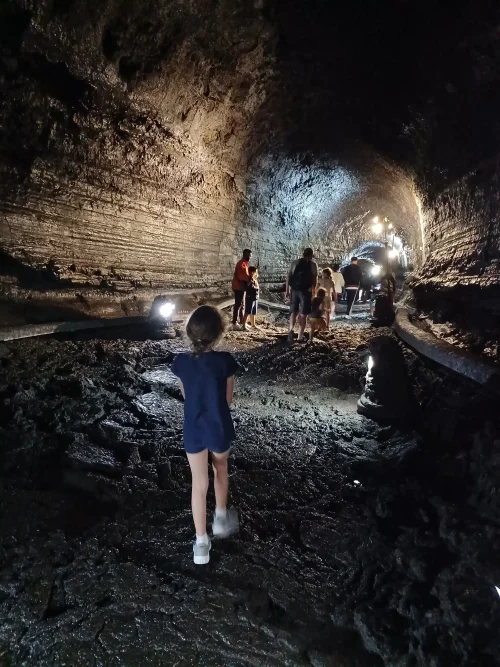
Jeju’s underground caves are a UNESCO World Heritage site and offer a glimpse of the island’s volcanic past.
Must-Visit:
- Manjanggul Cave: One of the longest lava tubes in the world. Walking trail is 1 km of a total 13 km cave
- Gimnyeong Lava Tube: Smaller, easier to navigate, with stalactites and stalagmites
Tips:
- Bring a light jacket – even if it’s hot outside the caves are cool year-round and often drip water from the roof of the cave
- Wear comfortable shoes with good grip
- Photography is allowed, but using a flash may be restricted in some areas (check signage)
Did You Know?: Lava tubes are geologically significant formations. They provide scientists with clues about Jeju’s volcanic activity. Manjanggul is protected under UNESCO regulations.
Jeju Beaches
Jeju’s beaches vary from calm, family-friendly shores to dramatic coastal cliffs.
Top Beaches:
- Hyeopjae Beach (West): White sand, clear turquoise waters, lots of nearby cafés
- Hamdeok Beach (Northeast): Shallow waters perfect for kids, calm tides and plenty of space for running around
- Woljeongri Beach: Less crowded, soft sand, peaceful surroundings (with plenty of cafés offering great views)
Tips:
- Summer (July–August) is peak swimming season but means the beaches are crowded – and also full of Korean lifeguards who can be overly zealous with safety!
- Winter offers dramatic coastlines for photos, but the water is too cold for swimming (unless you’re REALLY brave)
- Check tidal charts if you’re planning water activities
Did You Know?: Jeju’s beaches are shaped by volcanic activity, resulting in unique black sand beaches in some areas like Samyang.
Walks and Trails
Jeju has a huge network of coastal paths, forest walks, and mountain trails which makes it a great destination if you love spending time outdoors walking. This also includes parts of the famous Olle Trails.
Recommended Walks:
- Olle Trail 1-1 (Seongsan to Udo): Coastal cliffs, farmland, and small fishing villages
- Saryeoni Forest Path (Hallasan): Easy, shaded walk with native trees – great for kids and stunning in autumn
- Seopjikoji Coastal Trail: Lighthouse views, waves crashing against cliffs, farmland scenery
- Bijaram Forest: An flat, easy forest walk that loops back and takes about an hour to complete – great for families year-round
Tips:
- Most trails are well-marked, but using Kakao maps can also be helpful in more rural areas
- Start early to avoid crowds at popular spots
- Many trails are stroller and kid friendly. You can check signage for difficulty (especially if you’re considering an Olle trail)
Did You Know?: Jeju trails let you explore Jeju’s biodiversity, endemic plants, and volcanic formations close up – so not only is it good exercise and a great way to explore the island, but it’s also educational and immersive – which is great for kids.
Jeju Nature and Outdoors – Practical Tips
If you’re considering a Jeju trip that will see you spend lots of time outdoors here are some things to consider to help make the most of your trip:
- Transportation: Renting a car is strongly recommended for accessing remote waterfalls, beaches, and lava tubes.
- Weather: Coastal winds can be strong if you’re coming in winter make sure you pack appropriately – with lots of layers and a good, thick jacket. Summer can be hot and humid – sunscreen and hats are essential. As is a water bottle if you’re planning on doing hikes and trails. Many trails wind through towns for restocking but Hallasan and more rural trails don’t – so be prepared.
- Seasonal Notes: Spring (April–May) brings cherry blossoms and mild temperatures; autumn (October–November) offers clear skies and stunning foliage (but trails on Hallasan can be incredibly busy so start out early).
Spending Time Outdoors in Jeju Nature
Jeju’s natural landscapes are what make the island a must-visit destination for many travellers. From towering mountains to secret waterfalls, volcanic caves to serene beaches, exploring the outdoors on Jeju is an experience that appeals to all types of travellers – whether you’re a solo adventurer, nature-loving family or couple seeking a romantic retreat.